
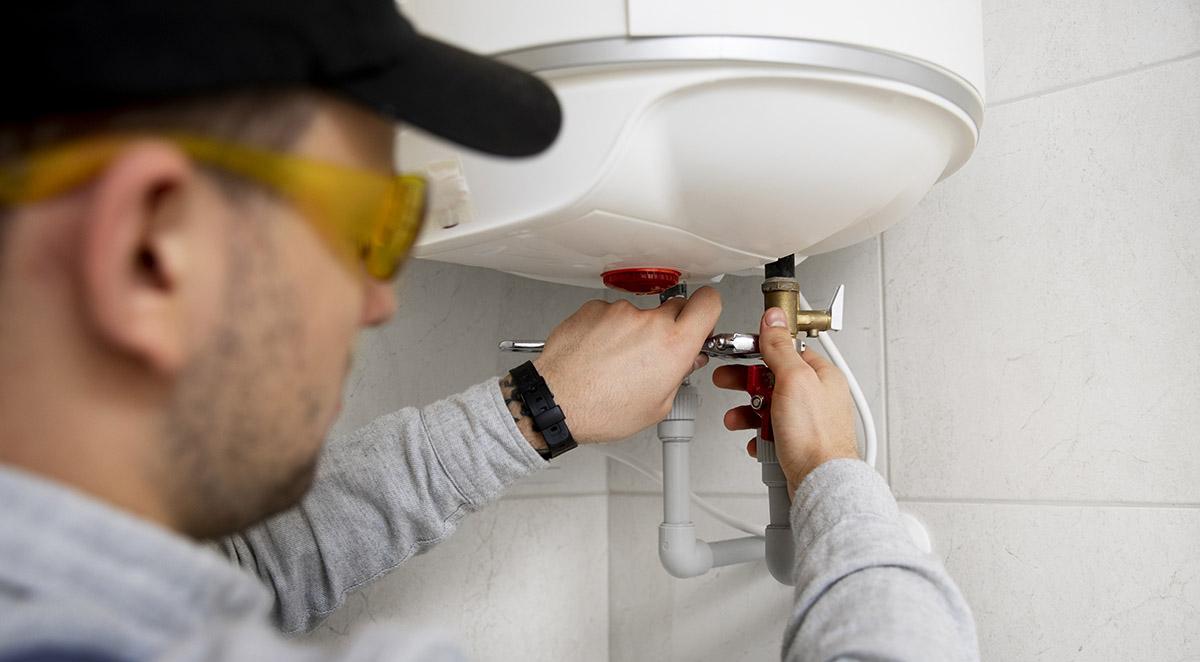
When was the last time you thought about your water heater? If you're like most homeowners, the answer is probably "not recently", at least not until you're standing in a cold shower wondering what went wrong. Your water heater is one of those essential appliances that works quietly in the background until it doesn't, and by then, you're facing an emergency repair or replacement.
The good news is that with proper maintenance and a basic understanding of common issues, you can extend your water heater's lifespan, improve its efficiency, and catch problems before they turn into costly disasters. According to the U.S. Department of Energy, water heating accounts for approximately 18% of your home's energy use (Department of Energy), making it the second-largest energy expense in most homes. Regular maintenance will prevent breakdowns and keep your energy bills under control.
Your Water Heater System
Before diving into maintenance tasks, it's helpful to understand the basics of how your water heater operates. Most homes have either a traditional storage tank water heater or a tankless (on-demand) system. Tank water heaters store and continuously heat 30-80 gallons of water, while tankless models heat water only as it flows through the unit.
Traditional tank water heaters typically last 10-15 years with proper maintenance, while tankless models can last 20 years or more (Consumer Reports). However, factors like water quality, usage patterns, and maintenance frequency significantly impact your water heater lifespan. Hard water, which is common in Western North Carolina, can accelerate sediment buildup and reduce efficiency if not properly managed. We compare pros and cons of tankless and traditional water heaters in our blog.
Essential Water Heater Maintenance Tips
Annual Flushing and Draining
One of the most important water heater maintenance tips is to flush your tank at least once a year. Sediment accumulates at the bottom of your tank over time, especially if you have hard water. This sediment reduces heating efficiency, takes up space meant for hot water, and can eventually cause the tank to fail prematurely.
How to flush your water heater:
- Turn off the power supply (flip the breaker for electric units or set the gas valve to "pilot")
- Shut off the cold water supply valve
- Connect a garden hose to the drain valve at the bottom of the tank
- Run the hose to a floor drain or outside
- Open a hot water faucet somewhere in your house to allow air into the system
- Open the drain valve and let the water flow until it runs clear
- Close the drain valve, remove the hose, and turn the water supply back on
- Once the tank refills, restore power or relight the pilot
If you're uncomfortable performing this task or notice the water doesn't run clear after several minutes of draining, it's time to contact Plumbing Solutions for professional service.
Testing the Pressure Relief Valve
The temperature and pressure relief (TPR) valve is a critical safety component that prevents your water heater from building up dangerous pressure. This valve should be tested twice a year to ensure it's working properly.
To test your TPR valve, simply lift the lever and allow it to snap back. You should hear a gurgling sound as water is released through the discharge pipe. If nothing happens or if the valve continues to leak after you release the lever, it needs replacement.
Inspecting the Anode Rod
The anode rod is your water heater's unsung hero. This metal rod attracts corrosive elements in your water, sacrificing itself to protect your tank from rust and corrosion. Most manufacturers recommend checking the anode rod every 3-5 years and replacing it when it's less than ½ inch thick or heavily calcified.
Adjusting Temperature Settings
Your water heater's thermostat setting affects both your comfort and energy efficiency. The Department of Energy recommends setting your water heater to 120°F for optimal efficiency and safety (Department of Energy). This temperature prevents scalding while still providing hot enough water for most household needs and minimizing energy waste.
Insulating Your Water Heater and Pipes
If your water heater is located in an unheated space like a basement or garage, adding an insulation blanket can reduce heat loss and lower your energy bills. Additionally, insulating the first 6 feet of hot and cold water pipes connected to your water heater reduces heat loss and can raise water temperature by 2-4°F at the tap.
Common Water Heater Problems and How to Troubleshoot Them
No Hot Water
Nothing ruins a morning quite like discovering you have no hot water. Before panicking, check these common culprits:
- For electric water heaters: Check your circuit breaker. A tripped breaker is often the simplest explanation.
- For gas water heaters: Make sure the pilot light is lit. If it won't stay lit, you may have a faulty thermocouple.
- Check the thermostat: Ensure it's set to an appropriate temperature and hasn't been accidentally adjusted.
If these basic checks don't resolve the issue, you likely have a failed heating element (electric) or a malfunctioning gas valve (gas). These repairs require professional expertise to troubleshoot water heater problems safely and effectively.
Insufficient Hot Water
If you're running out of hot water faster than usual, several factors might be at play. Sediment buildup is a common culprit—as sediment accumulates, it takes up space in your tank and insulates the water from the heating element, reducing capacity and efficiency.
Other potential causes include:
- A malfunctioning thermostat not maintaining the correct temperature
- A partially failed heating element that's not warming water effectively
- Increased household water usage
- A water heater that's undersized for your current needs
Flushing your tank often resolves insufficient hot water issues. If the problem persists, it may be time for a professional diagnosis.
Rusty or Discolored Water
When rusty or discolored water comes from your hot water taps only, your water heater is likely the source. This often indicates that the anode rod has been completely consumed and rust is forming inside the tank. Unfortunately, once your tank begins to rust internally, it's only a matter of time before it starts leaking.
Strange Noises
Banging, popping, or rumbling sounds from your water heater usually indicate sediment buildup at the bottom of the tank. As the water heats, it bubbles up through the sediment layer, creating these noises. Flushing your tank typically eliminates these noises.
Leaking Water Heater
Water pooling around your water heater requires immediate attention. Try to determine where the water is coming from:
- Condensation: In cold weather, condensation on the outside of the tank is normal.
- Leaking TPR valve: If water drips from the discharge pipe, your valve may need replacement.
- Tank leak: If water is seeping from the tank itself, the water heater needs replacement.
Never ignore a leaking water heater. Even a small leak can quickly become a major flooding event.
Pilot Light Won't Stay Lit
For gas water heaters, a pilot light that won't stay lit typically indicates a problem with the thermocouple—the safety device that shuts off gas flow if it doesn't detect a flame. Thermocouples wear out over time and need replacement by a professional.
When to Call a Professional Plumber
While many water heater maintenance tips can be handled by homeowners, some situations require professional expertise. Knowing when to call a professional protects both your safety and your investment.
Always call a professional for:
- Gas leaks or the smell of gas near your water heater
- Electrical issues beyond a simple breaker reset
- Replacing heating elements, thermostats, or gas valves
- Installing or replacing an anode rod if access is difficult
- Any repairs to gas lines or electrical connections
- Replacing a TPR valve
- Water heater replacement or installation
- Persistent problems that DIY troubleshooting doesn't resolve
At Plumbing Solutions, we understand that water heater issues can be stressful and disruptive to your daily life. Our experienced technicians can diagnose problems quickly and recommend the most cost-effective solutions. Wondering which is better, gas or electric water heaters? Read our blog comparing them here.
Preventive Maintenance: Your Best Investment
The most effective way to extend your water heater lifespan and avoid costly repairs is through consistent preventive maintenance. Consider setting up a maintenance schedule:
- Monthly: Check for signs of leaks or corrosion around your water heater
- Twice yearly: Test the TPR valve
- Annually: Flush the tank and check the anode rod condition
- Every 3-5 years: Replace the anode rod as needed
Many homeowners find it helpful to schedule annual professional maintenance, which typically includes flushing the tank, testing all safety devices, checking the anode rod, inspecting for leaks or corrosion, and verifying proper operation.
Improving Water Heater Efficiency
Beyond basic maintenance, several strategies can help you troubleshoot water heater problems related to efficiency and performance:
Lower your thermostat: Each 10°F reduction in temperature saves 3-5% in energy costs (Department of Energy).
Fix leaky faucets promptly: A leaky hot water faucet wastes both water and the energy used to heat it.
Use cold water when possible: Washing clothes in cold water reduces hot water demand and extends the time between tank recovery cycles.
Install low-flow fixtures: Low-flow showerheads and faucet aerators reduce hot water usage without sacrificing comfort.
Frequently Asked Questions
How often should I flush my water heater?
Most manufacturers and plumbing professionals recommend flushing your water heater at least once a year to remove sediment buildup. If you have particularly hard water, you may benefit from flushing twice yearly. Regular flushing is one of the most important water heater maintenance tips for extending your unit's lifespan.
What's the average lifespan of a water heater?
Traditional tank water heaters typically last 10-15 years with proper maintenance, while tankless models can last 20 years or more (Consumer Reports). Your water heater lifespan depends heavily on factors like water quality, maintenance frequency, and usage patterns.
Why is my water heater making popping or banging noises?
Popping, banging, or rumbling sounds usually indicate sediment buildup at the bottom of your tank. As water heats, it bubbles through the sediment layer, creating these noises. Flushing your tank typically resolves the issue.
How do I know if my water heater is leaking?
Check around the base of your water heater regularly for pooling water. Condensation on cold days is normal, but water from the TPR valve discharge pipe or seeping from the tank itself requires immediate attention. If you discover a leak, shut off the water supply and power to the unit, then contact a professional plumber immediately.
What temperature should my water heater be set to?
The Department of Energy recommends setting your water heater thermostat to 120°F for optimal efficiency and safety (Department of Energy). This temperature prevents scalding, minimizes energy waste, and slows mineral buildup inside your tank.
Conclusion
Your water heater is a hardworking appliance that deserves regular attention and care. By following these water heater maintenance tips and learning to troubleshoot water heater problems early, you can significantly extend your water heater lifespan, improve efficiency, and avoid the inconvenience and expense of unexpected failures.
Remember that while many maintenance tasks are within reach for handy homeowners, professional expertise is invaluable for repairs, replacements, and annual comprehensive inspections. At Plumbing Solutions, we're committed to helping Western North Carolina homeowners get the most from their water heating systems so don't wait until you're standing in a cold shower. Contact us today to schedule your water heater inspection or to discuss any concerns about your system's performance.